

One of the first questions people ask when planning a Bali holiday is simple: when is the best time to visit? The answer depends on what you want from the trip. Some visitors prioritise sunny beach days, others want quieter temples and rice-field walks, while surfers, hikers and families may have different needs.
Bali is warm throughout the year, but the island has two broad seasons: a generally drier period and a wetter period. Neither guarantees perfect weather every day. Short showers can happen in the drier months, and the rainy season can still bring bright mornings and enjoyable afternoons. Understanding the seasonal pattern helps you plan sensibly without expecting the weather to follow a strict timetable.
Understanding Bali’s seasons
The dry season: roughly April to October
The months from around April to October are commonly considered Bali’s drier season. Many travellers choose this period for outdoor sightseeing, beach time and day trips because rainfall is generally lower and humidity can feel more manageable than in the wetter months. July and August are especially popular with international visitors, so accommodation, transport and well-known attractions can feel busier.
May, June and September are often worth considering if you want a balance between generally favourable conditions and the busiest holiday periods. Conditions vary from year to year, however, so treat these months as a planning guide rather than a weather guarantee.
The rainy season: roughly November to March
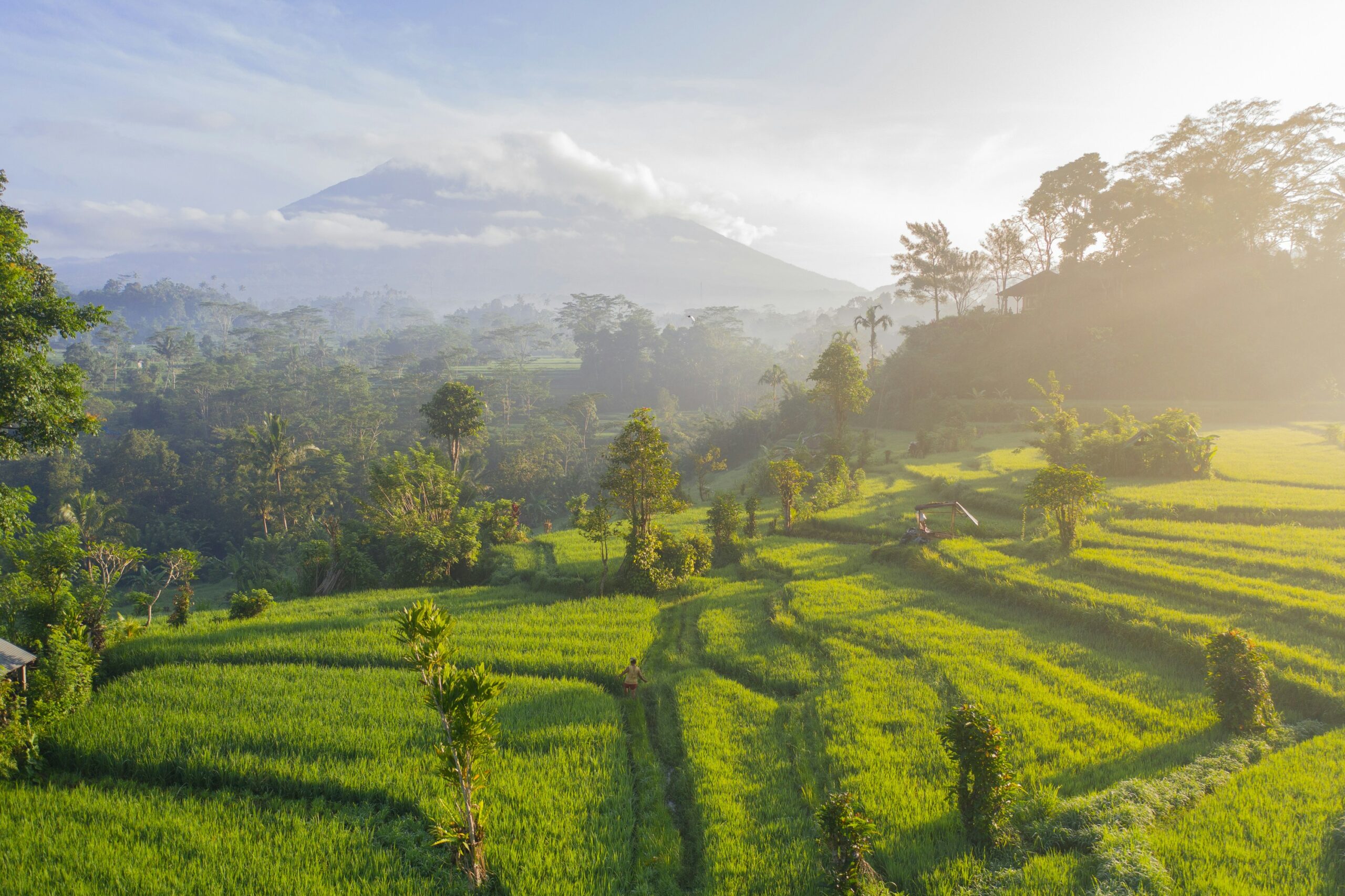
The wetter period usually runs from around November to March. Rain can be heavier and more frequent, often arriving in showers or storms rather than lasting continuously all day. The landscape can look especially lush, and some areas may feel less crowded than during the main mid-year holiday season.
Rain can affect outdoor plans. Paths to waterfalls, rice terraces and viewpoints may become slippery, while rough seas can disrupt boat crossings. Build flexibility into your itinerary and check local conditions before setting out, particularly if you have a boat trip or a mountain activity booked.
What each part of the year can feel like
| Period | General pattern | Planning notes |
|---|---|---|
| January–March | Usually wetter and humid | Keep plans flexible; check sea and trail conditions |
| April–May | Transition towards drier weather | A useful time to mix sightseeing with beach days |
| June | Generally drier | Good for outdoor plans; visitor numbers begin to rise |
| July–August | Popular holiday period, generally dry | Book accommodation and transport ahead where possible |
| September–October | Often still relatively dry, moving towards wetter months | Can offer a balance of outdoor conditions and fewer peak-season crowds |
| November–December | Rain becomes more frequent | Allow extra time and have indoor alternatives |
This table describes broad seasonal tendencies, not a forecast. Bali’s weather can vary between the coast, the mountains and different parts of the island on the same day.
Best time for beaches and swimming
If your priority is spending time on the beach, the drier months are often the easiest period to plan around. South Bali destinations such as Jimbaran, Seminyak and parts of the Bukit Peninsula offer different beach experiences, from restaurants and sunset walks to surf breaks and dramatic coastal scenery.
Conditions at the water are not determined by the season alone. Currents, tides, swell and local beach conditions matter every day. Follow lifeguard instructions and beach flags, and do not assume a calm-looking stretch of water is safe for swimming.
Best time for sightseeing and outdoor activities
For temple visits, rice terraces, waterfalls and countryside drives, many visitors prefer the drier months because paths and roads are less likely to be affected by heavy rain. Early starts are useful throughout the year: temperatures are often more comfortable, popular sites can be quieter, and you have more room in the day if traffic slows down.
During the wetter season, choose footwear with good grip and avoid rushing on steep steps or wet rocks. If a waterfall or trail has had heavy rain, follow local advice about access rather than trying to reach a viewpoint at any cost.
Best time for Mount Batur and sunrise trips
Sunrise experiences on Mount Batur are popular throughout the year, but visibility depends on the weather on the morning itself. The dry season may offer more favourable conditions on average, yet clouds can still cover the summit. In wetter months, rain and slippery volcanic paths can make conditions more challenging.
Choose an established operator, check what equipment is included, and follow the guide’s instructions. A sunrise trip begins very early, so consider your travel time and avoid scheduling a demanding activity immediately after a late arrival.
Is Bali crowded at certain times?
Visitor numbers often rise around July and August, as well as during Christmas and New Year holidays. School breaks and major travel periods in visitors’ home countries can also affect demand. Popular areas such as Ubud, Canggu, Seminyak and Uluwatu may feel busy even outside those peak windows.
If you prefer a quieter experience, consider travelling in the shoulder periods around May, June, September or October, while remaining flexible about the weather. Visiting popular attractions early in the morning and staying a little longer in one area can also make a busy destination feel more relaxed.
Getting around in different seasons
Traffic is part of travelling around Bali, whatever month you visit. Rain can slow journeys, and popular areas can become congested during holiday periods. Avoid planning too many distant stops in one day. Group attractions by region and allow a buffer between activities, especially when you need to reach a boat departure or the airport.
If you are planning several stops, a private driver in Bali can make the day easier to organise. Read the Bali car rental guide if you are comparing a car with a driver and self-drive options. For a wider route plan, see this 5–7 day Bali itinerary.
Whichever option you choose, confirm pickup times, service duration, route and any additional charges before the day. During heavy rain, allow more time than a map estimate suggests.
So, when should you visit Bali?
For many first-time visitors who want a mix of beaches and sightseeing, May, June or September can be appealing months to consider. July and August are suitable for travellers who do not mind busier destinations and are happy to book ahead. November to March can still be a rewarding time to visit if you accept the possibility of rain and keep your plans flexible.
There is no single perfect month for everyone. Think about your priorities, check the forecast closer to departure, and leave room to adjust your plans once you are on the island.
Frequently asked questions
What is the best month to visit Bali?
May, June and September are often considered good all-round options because they fall within or near the drier period without always having the same peak-season demand as July and August. Weather and visitor numbers vary each year.
Does it rain all day in Bali during the rainy season?
Not necessarily. Rain may arrive in short, heavy showers or storms, and some days still have sunny periods. The pattern is not guaranteed, so keep alternative plans available.
Is December a bad time to visit Bali?
No. December is generally within the wetter season and can be humid with more frequent rain, but a holiday can still be enjoyable. Allow extra time for travel and check sea conditions for boat trips.
Is Bali too crowded in August?
August is one of the popular travel periods, so accommodation and well-known attractions can be busy. Booking ahead and visiting major sights early can help.
Can I visit Nusa Penida during the rainy season?
Boat services may operate, but sea conditions can change and crossings can be delayed or cancelled. Check with the boat operator close to departure and avoid making tight onward connections.
Final tip
Choose your travel dates based on the kind of holiday you want, not just a promise of perfect weather. Bali has plenty to offer in every season. With a sensible route, flexible days and a little preparation, you can enjoy the island whether the forecast brings sunshine, a passing shower or both.


